Drenthe Fleet Operations

Professional Fleet Inspection in Drenthe

Structured vehicle inspections designed to help fleet operators understand vehicle condition, identify visible issues, and maintain clear inspection records.

8 Core Inspection Areas
100% Visual Protocol
Drenthe Regional Focus
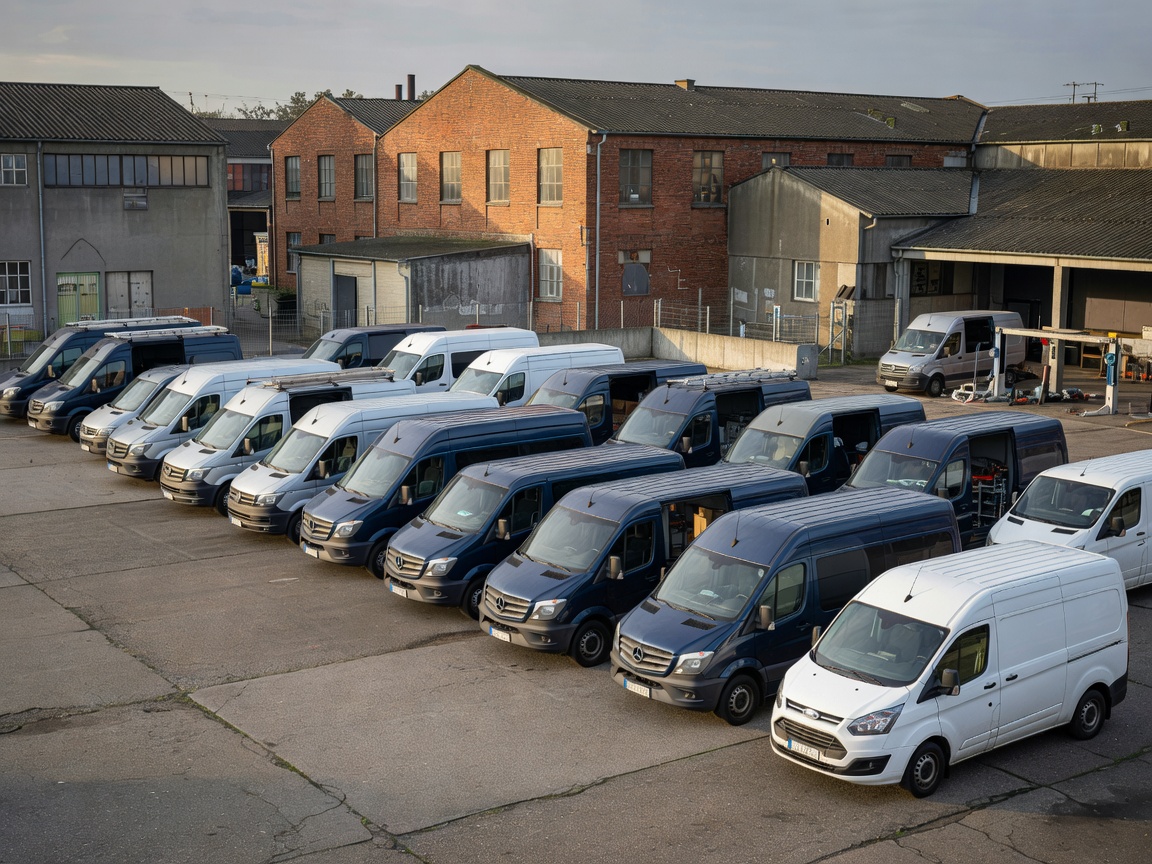
Fleet vehicles parked systematically in a modern European industrial logistics area in the Netherlands
Standardized Condition Logging
Physical audits tailored to Dutch transport conditions
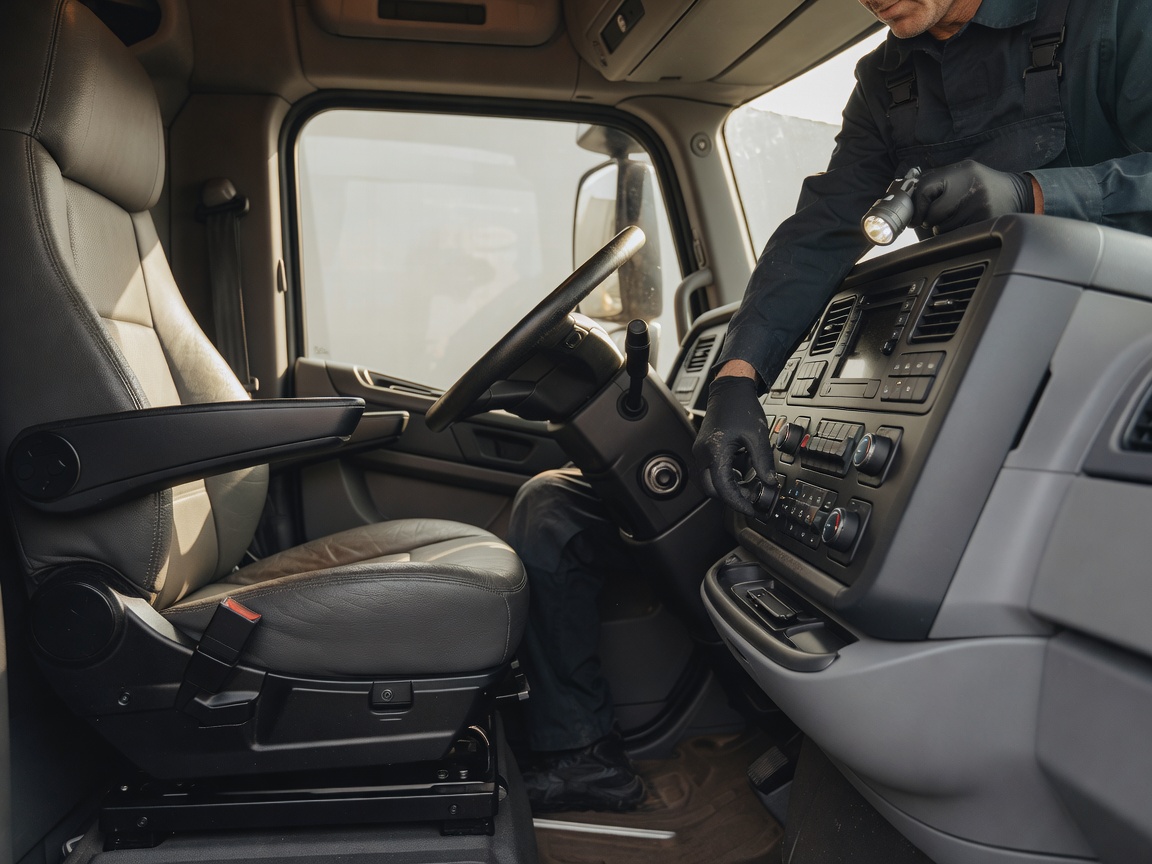
Inspector conducting detailed exterior and tyre assessment on commercial delivery vehicle
Structured Documentation

Fleet Condition, Clearly Documented

For commercial operators across Drenthe, maintaining operational transparency requires regular, documented condition checks. Our structured inspection routines evaluate the accessible physical aspects of fleet units to create systematic reporting without administrative friction.

✓ Vehicle exterior & panels
✓ Tyres & tread condition
✓ Cabin & interior surfaces
✓ Lighting & indicators
✓ Accessible fluid leak traces
✓ Visible safety equipment
✓ Bodywork & impact damage
✓ Comprehensive inspection logs
Service Matrix

Core Inspection Services

Individual condition verification modules designed to examine every observable element of commercial transport assets.

View All Modules →
01

Exterior Vehicle Inspection

Visual assessment of bodywork, panels, mirrors, windows, lights, doors, and other externally visible components.

02

Tyre & Wheel Check

Visual inspection of tyre condition, visible damage, tread condition, wheel condition, and irregular wear.

03

Lighting Inspection

Review visible exterior lighting components including headlights, indicators, brake lights, and other installed lighting.

04

Cabin & Interior Inspection

Inspection of the driver's cabin and interior areas for visible wear, damage, cleanliness, and equipment condition.

05

Fluid & Leak Inspection

Visual inspection for signs of fluid leaks or other visible issues around accessible vehicle areas.

06

Equipment Inspection

Review of visible fleet equipment, accessories, warning equipment, storage systems, and other installed items.

07

Body & Damage Assessment

Documentation of visible dents, scratches, cracks, corrosion, impact damage, and other exterior issues.

08

Fleet Condition Reporting

Organized documentation of inspection findings so fleet operators can maintain clearer vehicle records.

Scope of Coverage

Fleet Vehicles We Inspect

Adaptable inspection frameworks for diverse commercial vehicle configurations across the Dutch logistics landscape.

Explore Categories →
Operational Realities

Built Around the Dutch Fleet Environment

Fleet vehicles operating in Drenthe and throughout the northern Netherlands encounter varied environmental stresses that require localized inspection protocols.

Urban & Cycle Lanes

Tight city navigation demands exact mirror, signal, and blind-spot glass checks.

Regional & Rural Roads

Drenthe backroads introduce higher tyre impact and suspension debris risks.

Industrial Estates

Loading dock proximity elevates recurring bumper, panel, and taillight damage.

Wet-Weather Climate

Frequent rain and winter road salting require careful corrosion and leak observation.

Commercial fleet operations facility with European commercial vans in an industrial zone Dutch flat regional road landscape during soft daylight conditions Modern European commercial transport trucks in transit
Methodology

How Fleet Inspection Works

A sequential visual workflow ensuring systematic coverage across each vehicle unit.

Process Details →
STEP 01

Vehicle Intake

Identify the vehicle unit, verify identification markers, and confirm the specific scope of inspection parameters requested.

STEP 02

Visual Review

Inspect the vehicle systematically from exterior bodywork, lights, and glass through to cabin appointments.

STEP 03

Condition Recording

Document visible defects, physical wear, surface damage, and relevant operational observations with clear notation.

STEP 04

Detailed Checks

Review specific inspection zones including accessible fluids, safety items, and auxiliary equipment fixtures.

STEP 05

Findings Summary

Organize observations and categorical evaluations into a structured, easily interpretable inspection report.

STEP 06

Fleet Follow-Up

Provide the inspection documentation to fleet operators for internal fleet maintenance schedules and record-keeping.

Systematic Registry

Fleet Inspection Checklist

Key categories assessed during our multi-point visual inspection protocols.

Exterior [EXT]

  • Body panels & trim
  • Mirrors & brackets
  • Windows & windshield
  • Doors & latches
  • Lighting clusters
  • Visible cosmetic damage

Wheels [TYR]

  • Tyre sidewall health
  • Tread visual depth
  • Visible rim damage
  • Valve cap presence
  • Irregular wear signs
  • Wheel nut security (vis.)

Interior [CAB]

  • Seat upholstery wear
  • Dashboard indicators
  • Primary controls
  • Cabin cleanliness
  • Seatbelt mechanisms
  • Floor mat positioning

Equipment [EQP]

  • Warning triangles
  • First-aid kit presence
  • Racking security
  • Installed accessories
  • Tow ball & couplings
  • Auxiliary beacons

Documentation [DOC]

  • Vehicle identification
  • Inspection timestamp
  • Recorded observations
  • Follow-up items
  • Inspector sign-off
  • Fleet archive record
Geographic Coverage

Fleet Inspection in Drenthe

rippleroomstage focuses on delivering physical vehicle condition checks tailored specifically for vehicle operators, logistics teams, and commercial organizations situated in Drenthe and surrounding regional hubs in the Netherlands.

Drenthe, Netherlands Regional On-Site Inspections Standardized Dutch Protocols
DRENTHE
Fleet Operations Service Zone

Supporting regional transport depots, business parks, and corporate fleet facilities with thorough, documented condition reviews.

Coordinate Inspection →
Operational Value

A Clearer View of Fleet Condition

Managing multiple commercial vehicles requires objective, repeatable inspection records to understand operational wear and keep teams aligned.

Identify Visible Issues Early

Catch body scratches, lighting malfunctions, and tyre irregularities before compounding into significant disruptions.

Track Condition Over Time

Compare consecutive visual logs to see how vehicle wear correlates with mileage and operational deployment.

Organize Maintenance Discussions

Equip maintenance teams and fleet managers with factual, dated reports when planning workshop servicing.

Improve Internal Organization

Eliminate uncertainty regarding driver handover condition, missing accessories, or unchecked exterior wear.

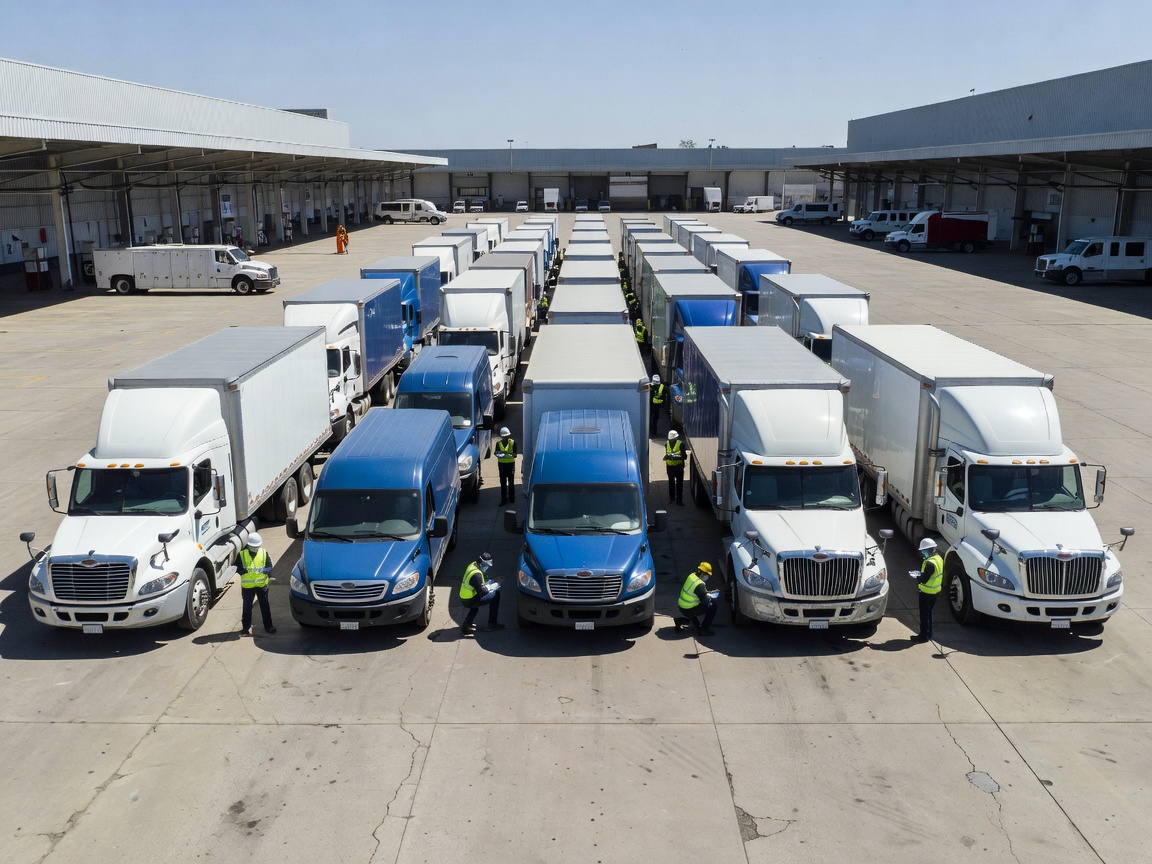
Fleet specialist documenting inspection parameters on commercial fleet asset
Standardize Your Fleet Logging

Keep Every Vehicle Accounted For

Create a clearer inspection routine for your commercial fleet with structured vehicle condition checks and organized reporting.

Request a Fleet Inspection →